
495 words, 3 minutes read time
Why Organic Cotton Actually Matters (And How to Spot Greenwashing)
Walk into any high street shop right now and you'll see the word 'sustainable' plastered across half the rails. It's on swing tags, carrier bags, even the receipts. But here's the thing, labelling something sustainable doesn't make it so. And when it comes to cotton, the gap between genuine and greenwashed can be pretty significant.
Why cotton matters.
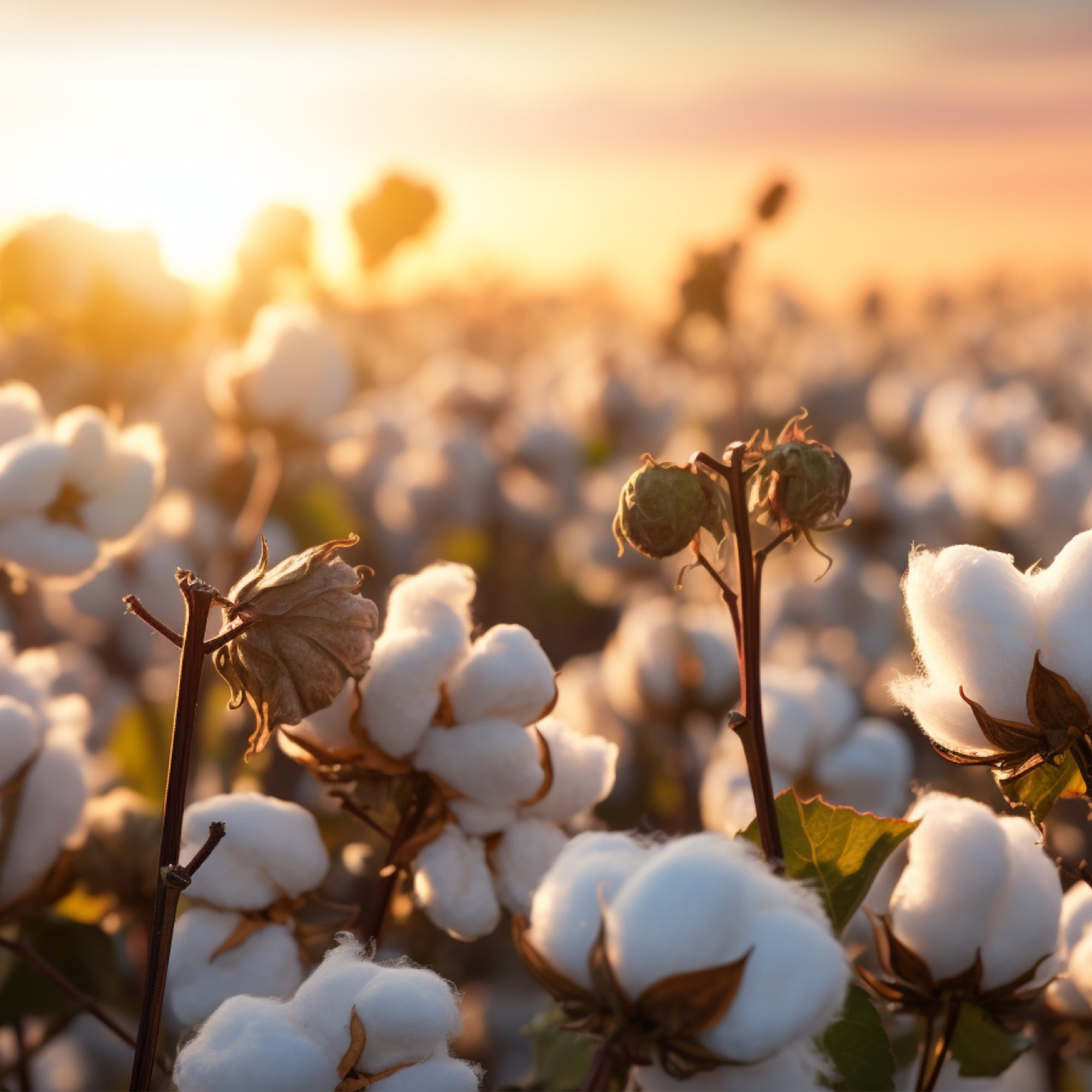
Cotton is one of the most widely grown crops on the planet, and conventional farming relies heavily on synthetic pesticides and fertilisers. These don't just stay on the farm, they leach into local water supplies, affect the soil long-term, and have a documented impact on the health of farming communities. That's the reality behind a lot of the cheap basics filling budget clothing brands.
Organic cotton changes the equation.
Certified organic farming avoids synthetic chemicals entirely, relying instead on natural pest control and soil management. It uses significantly less water in many growing regions, and the certification process means an independent body has actually checked the farm is doing what it claims. It's not perfect — no farming is — but it's a meaningful step in the right direction.
How do you spot greenwashing?
The main thing to look for is certification. GOTS (Global Organic Textile Standard) is one of the most rigorous, it covers the whole supply chain, from the field to the finished garment, not just the raw cotton. OCS (Organic Content Standard) is another legitimate one, though it only tracks the fibre itself rather than every stage of production. If a brand is vague about which certification they hold, or they can't point you to any third-party verification at all, that's worth noting.
Phrases like 'made with natural fibres' or 'eco-conscious' with no certification to back them up are classic greenwashing signals. So is a brand shouting loudly about one sustainable line while the rest of their range is entirely conventional. Real commitment to organic cotton tends to be embedded throughout a business, not bolted on as a marketing angle.
Saving the planet?
Buying organic cotton basics, a hoodie, a t-shirt, something for the kids, isn't going to save the planet on its own. But it does mean your money is going somewhere that's trying to do things properly. And the more people ask questions and look for evidence, the harder it becomes for brands to hide behind empty claims.
We use 100% organic cotton wherever it's available in our range, and cotton-rich blends where it isn't. We're not going to oversell it, but we do think it matters.